
Free Shipping Worldwide
Cutting a cigar is the first critical step in the cigar-smoking ritual—and it’s far more important than most beginners realize. A perfect cut creates a smooth, unrestricted draw (airflow) for rich flavor, while a bad cut (too much, too little, or a ragged slice) can make your cigar taste bitter, cause the tobacco to unravel, or even block the draw entirely.
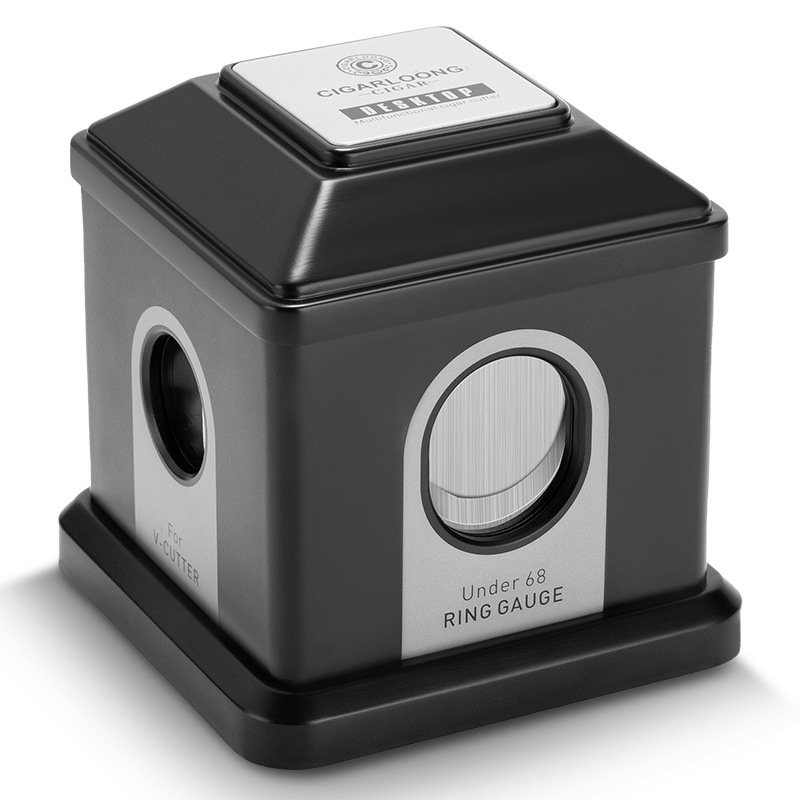
The goal of cutting a cigar is simple: trim only the small, sealed cap (the top end you put in your mouth) — never cut into the cigar’s body (the shoulder). The cap is a thin layer of tobacco leaf wrapped around the head to hold the cigar together, and you only need to remove a tiny portion to open the draw.
In this guide, we’ll break down everything you need to know about cutting a cigar: the best cutters for beginners, step-by-step instructions for using the three most common cigar cutters (guillotine, punch, V-cutter), how much to cut a cigar cap (exact measurements), how to cut shaped cigars (like Torpedos), and how to avoid the rookie mistakes that ruin your smoke. By the end, you’ll cut a cigar like a connoisseur—every time.
Before you cut, you need to identify the two key parts of the cigar’s head (the end you put in your mouth)—cutting the wrong part is the #1 beginner mistake:
The cap is easy to spot: it’s the glossy, uniform circle on the top, and it only extends 1/8 to 1/4 inch (3-6mm) down the head. That’s the exact area you’ll trim—no more, no less.
Not all cigar cutters are created equal, and the right one depends on your skill level, cigar shape (straight Parejo vs shaped Figurado), and personal preference. Avoid scissors, pocket knives, or dull blades—they tear the tobacco instead of cutting it, creating a ragged edge and a bad draw. Stick to these three professional, easy-to-use cutter types; we’ll also note the best for beginners (spoiler: it’s the guillotine).
Below is a quick breakdown of each cutter, its pros/cons, and ideal use case—with a comparison table for quick reference:
| Cutter Type | Best For | Pros | Cons | Exact Cut Size |
|---|---|---|---|---|
| Guillotine (Straight Cut) | Beginners, straight Parejo cigars (Robusto, Corona, Churchill) | Clean, even circular cut; easy to use; works for most cigars | Not ideal for shaped cigars (Torpedo, Belicoso); needs a sharp blade | 1/8–1/4 inch (3-6mm) from cap top |
| Punch Cutter (Hole Cut) | Travel, small cigars, beginners (second-best) | Compact; minimal risk of over-cutting; preserves the cap | Small draw (can be enlarged with a double punch); not for large ring gauges (50+) | 1/4 inch (6mm) diameter hole (standard) |
| V-Cutter (Wedge Cut) | Experienced smokers, thick cigars (50+ ring gauge) | Wide draw; great for full-bodied cigars; works for some Figurados | Easy to over-cut; leaves a V-slit (can catch tobacco) | 1/8–1/4 inch (3-6mm) deep V-slit |
The guillotine (also called a straight cutter) is the most popular and easiest cigar cutter—it has a single straight blade (or double blades for cleaner cuts) that slices a perfect circle off the cap. It’s available in plastic (budget) or metal (premium, stainless steel/brass) and works for 90% of cigars (all straight Parejos). Double-bladed guillotines are preferred—they cut from both sides, avoiding tearing the wrapper.
A punch cutter is a small, compact tool that pokes a clean circular hole in the center of the cap. It’s perfect for travel (fits in a pocket/keychain) and beginners who fear over-cutting—since it only removes a small piece of the cap, there’s almost no risk of unraveling the cigar. Standard punches make a 1/4-inch hole; larger “big punch” cutters work for thick cigars (50+ ring gauge).
The V-cutter (or wedge cutter) makes a V-shaped slit in the cap instead of a full circle. It creates a wider airflow than a punch cutter, making it ideal for thick, full-bodied cigars (50+ ring gauge) where a small punch would restrict the draw. It’s trickier for beginners—cutting too deep will slice into the shoulder and cause unraveling.
The golden rule for all cutting methods: only cut 1/8 to 1/4 inch (3-6mm) off the cap—this is the sweet spot for a smooth draw without damaging the cigar. We’ll start with the guillotine (beginner-friendly) and move to punch and V-cutter, with simple, actionable steps for each.
This method works for all straight cigars (Robusto, Corona, Churchill, Toro)—the go-to for beginners and connoisseurs alike.
Pro tip for double-bladed guillotines: Align the cigar so the blades meet in the center of the cap—this creates the cleanest cut possible.
Perfect for small cigars (Petit Corona), travel, or anyone who wants to avoid over-cutting—zero risk of slicing the shoulder.
Ideal for thick cigars (50+ ring gauge) or smokers who prefer a wider draw—take your time to avoid over-cutting.
Shaped cigars (Figurados) have a tapered, pointed head (instead of a flat cap) and require a different cutting method—cutting them the same way as straight Parejos will ruin their unique draw and flavor. The only safe cutters for Figurados are punch cutters or small guillotines (for a tiny slice); V-cutters are not recommended (they slice the pointed head and cause unraveling).
Even experienced smokers make cutting mistakes—and they all ruin the smoking experience. Here are the most common errors and how to avoid them:
These small tips will take your cigar cutting from “good” to “perfect”—and they’re easy to master:
If you forget your cutter (we’ve all been there), there are 2 safe emergency methods—avoid all other tools (scissors, knives, teeth!). These methods work in a pinch and won’t ruin the cigar:
Never use your teeth: Biting the cap tears the tobacco/wrapper, leaves saliva on the cigar, and makes the draw uneven—this is the worst emergency method (even seasoned smokers avoid it).
A: 1/8 to 1/4 inch (3-6mm)—this is the exact size of the cap, and cutting this much creates a smooth draw without damaging the shoulder. It’s better to cut too little (you can trim more) than too much (unfixable).
A: We do not recommend it—knives (pocket, kitchen) are dull and hard to control, leading to ragged cuts, torn wrappers, and even cuts to your fingers. If you have no cutter, use the fingernail peel or key punch method instead.
A: A tight draw is usually from cutting too little (trim a tiny bit more) or a dull cutter (tore the tobacco, blocking airflow). For punch cutters, a double punch (second hole) will enlarge the opening for a better draw.
A: No! Only cut the cap (the head you put in your mouth)—the other end (the foot) is the one you light, and it’s left open (or slightly sealed) by the roller for proper burning. Cutting the foot will ruin the cigar’s burn and flavor.
A: Wipe the blade with a dry microfiber cloth after each use to remove tobacco dust. For stuck tobacco plugs (punch cutters), use the ejector button or a toothpick to dislodge them. For metal cutters, wash with warm water (no soap) once a month and dry immediately to avoid rust.
Cutting a cigar is not a complicated skill—it just requires precision and following the golden rule: only cut 1/8–1/4 inch off the cap, and never touch the shoulder. The right cutter (a guillotine for beginners) and one smooth squeeze are all you need for a perfect cut every time.
For beginners, start with a double-bladed guillotine and straight Parejo cigars (Robusto/Corona)—master this first, then experiment with punch cutters (for travel) or V-cutters (for thick cigars). Shaped cigars (Torpedos) take a bit more care, but a punch cutter makes them easy to cut safely.
Remember: a perfect cut is the foundation of a great smoking experience. It creates a smooth draw, even burn, and lets the cigar’s natural flavor shine—all the other steps (toasting, lighting, savoring) build on this simple first step.
With this guide, you’ll never ruin a cigar with a bad cut again—you’ll cut like a connoisseur, and every puff will be the best it can be.




WhatsApp us